

Biopsy

Biopsy
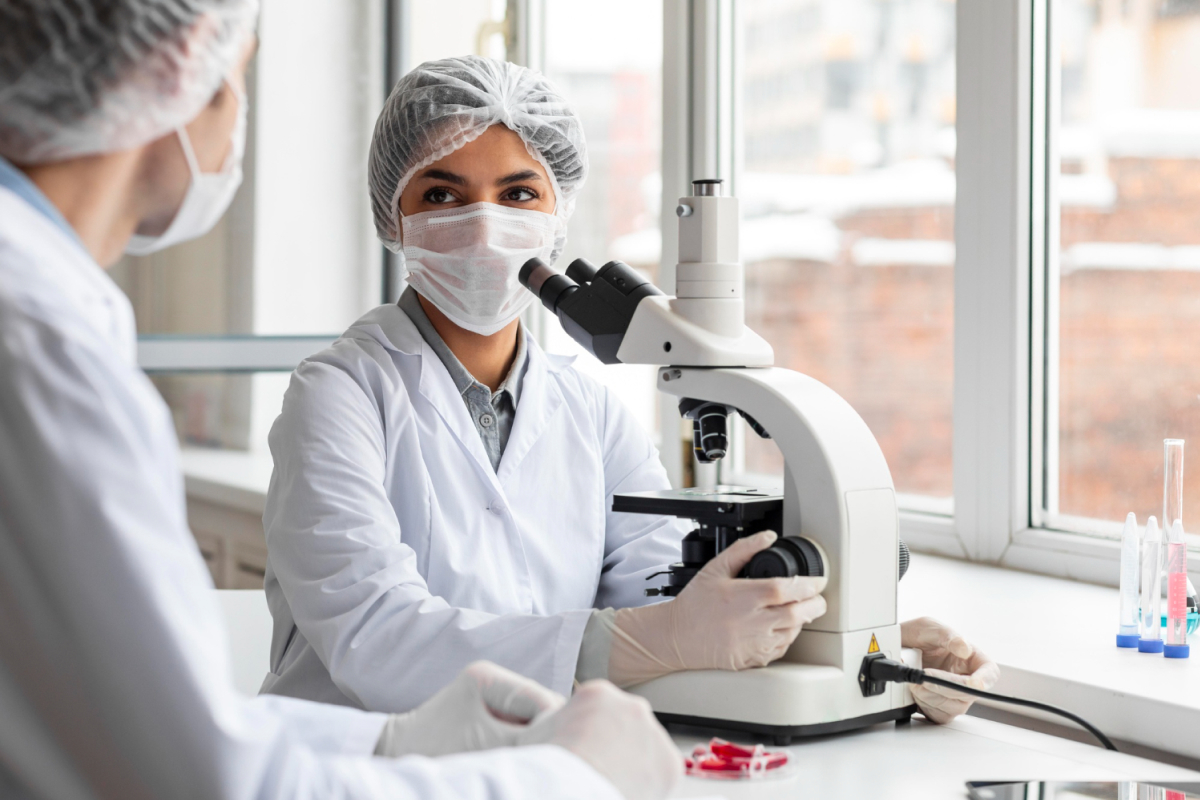
A skin biopsy is a common dermatological procedure used to diagnose various skin conditions, including infections, inflammatory diseases, and cancers such as melanoma, basal cell carcinoma, and squamous cell carcinoma. During a skin biopsy, a dermatologist removes a small sample of skin tissue for examination under a microscope by a pathologist.
The results of a skin biopsy are vital in guiding treatment decisions and determining the severity or stage of a condition. For example, if a suspicious mole is found to be cancerous, further surgical excision or additional therapies may be necessary. On the other hand, non-cancerous or benign conditions like eczema or psoriasis can be confirmed and treated accordingly. In many cases, a biopsy offers clarity where clinical examination alone cannot provide a definitive diagnosis. It is crucial that patients follow their dermatologist’s post-biopsy instructions.
Steps in Biopsy
- Patient Intake & Medical History
- Skin Examination
- Acne Grading/Severity Assessment
- Identification of Potential Triggers
- Diagnostic Tests
- Patient Education
- Personalized Treatment Plan Proposal
- Before Photos
Available Doctors Under Surgery

Isabella Moore
Aesthetic Dermatology
Ethan Clarke
Cosmetic Dermatology
Olivia Harris
Clinical Dermatology